Tungsten Copper Heat Sink
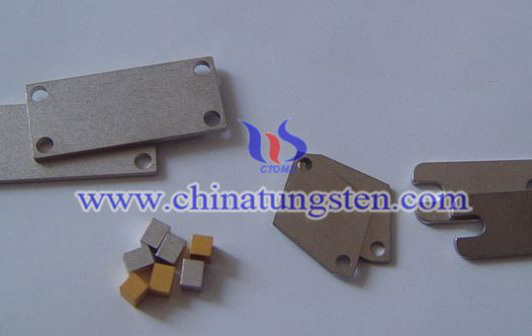
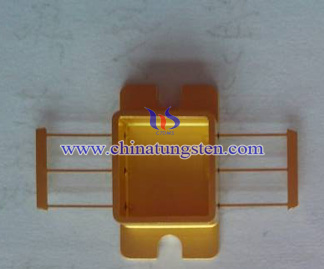
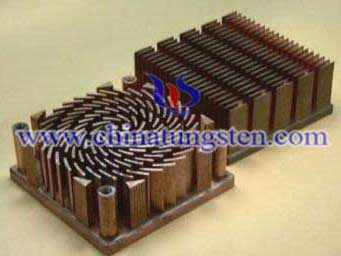
Heat transfer theory helps explain practical aspects of how heat sink works, and can also help to clear up common misconceptions and design mistakes. Approach air velocity, choice of material, fin design and surface treatment are some of the design factors which influence the thermal resistance, i.e. thermal performance, of a heat sink. One engineering application of heat sinks is in the thermal management of electronics, often computer CPU or graphics processors. For these, heat sink attachment methods and thermal interface materials also influence the eventual junction or die temperature of the processor(s). Theoretical, experimental and numerical methods can be used to determine a heat sink's thermal performance.
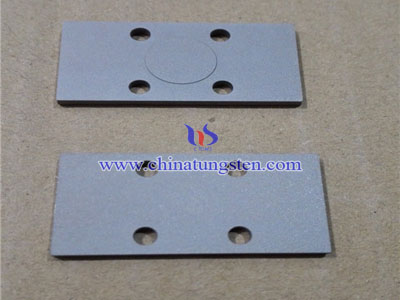
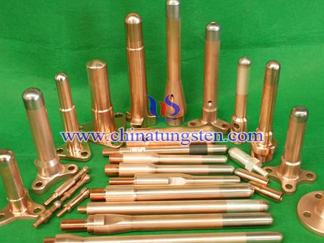
A heat sink uses its extended surfaces to increase the surface area in contact with the cooling fluid, the air for example. The term is not meant literally, as a heat sink does not have a "magical ability to absorb heat like a sponge and send it off to a parallel universe". Our products are widely used in applications such as optoelectronics packages, Microwave Packages, C Packages, Laser Submounts, etc. Tungsten copper heat sink is a composite of tungsten and copper. The products are widely application in the fields such as radio frequency, microwave, high power diode packaging and optical communication system.
Tungsten copper heat sink advantages :
High thermal conductivity
Excellent hermeticity
Excellent flatness, surface finish, and size control
Semi-finished or finished (Ni/Au plated) products available
Related Products: